

Insider Risk
Security
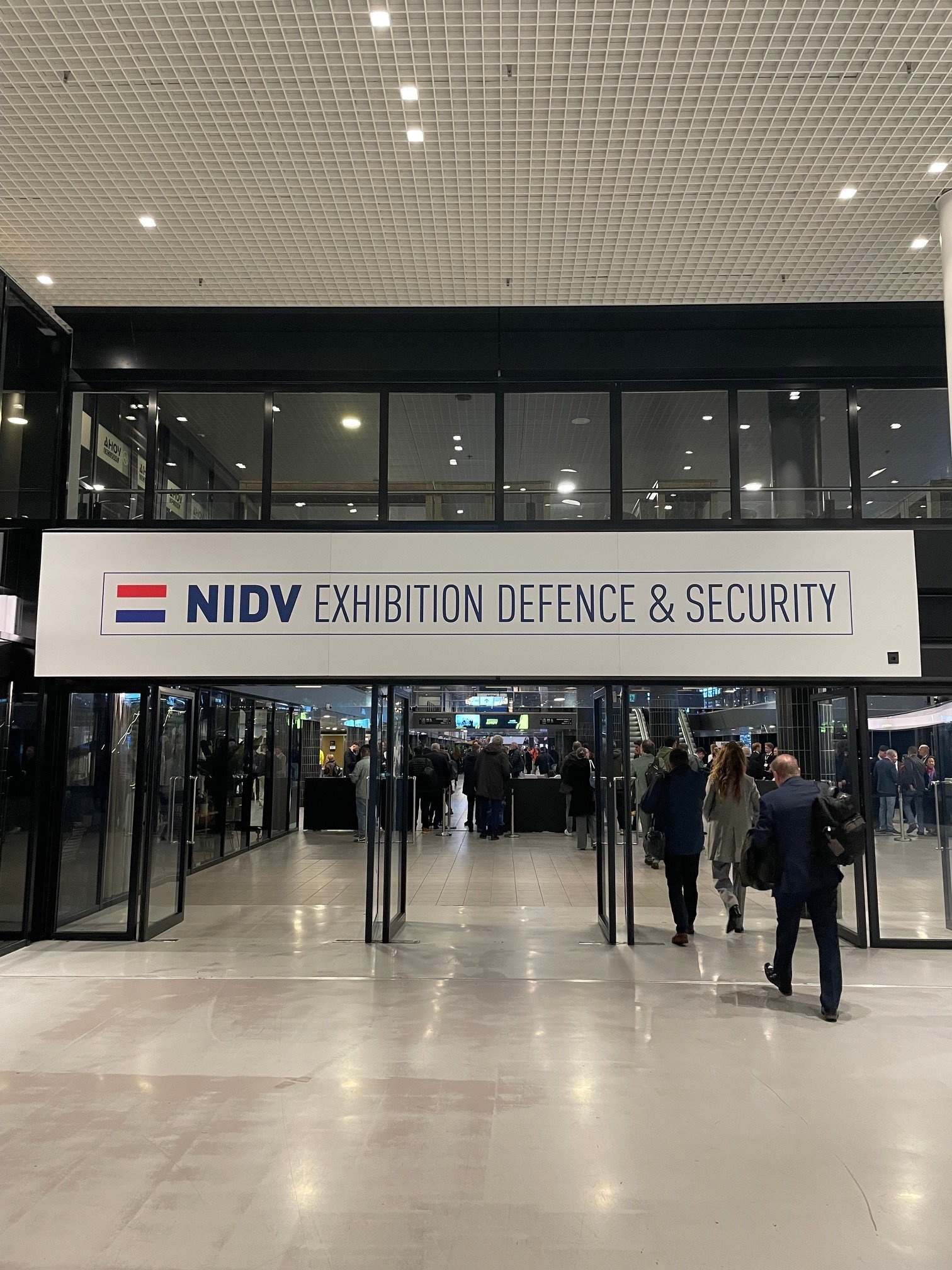

Knowing who you work with is increasingly important, particularly in environments where sensitive information, intellectual property, and critical knowledge are shared among many different parties. But screening is only one part of a much broader challenge.
Today, very few organisations operate in isolation. Innovation depends on collaboration, whether that is between colleagues and departments or with clients, suppliers, research institutions, technology providers and other partners. Information must move between organisations, and people must be able to work across organisational boundaries.
And that creates an important question: how do you protect what matters without preventing the collaboration that allows organisations to innovate?
A traditional response to risk can be to introduce more restrictions. Limit access. Share less. Keep sensitive information within a smaller circle.
There are situations where those controls are necessary, of course. But if insider risk management becomes focused solely on restricting access and isolating intellectual property, organisations risk solving one problem while creating another.
Too many barriers can make collaboration slower and more difficult. They can also create friction for employees and partners who legitimately need access to information to do their work.
At Signpost Six, our emphasis is on enabling organisations to collaborate and innovate together in a secure and responsible way, where their IP is protected.
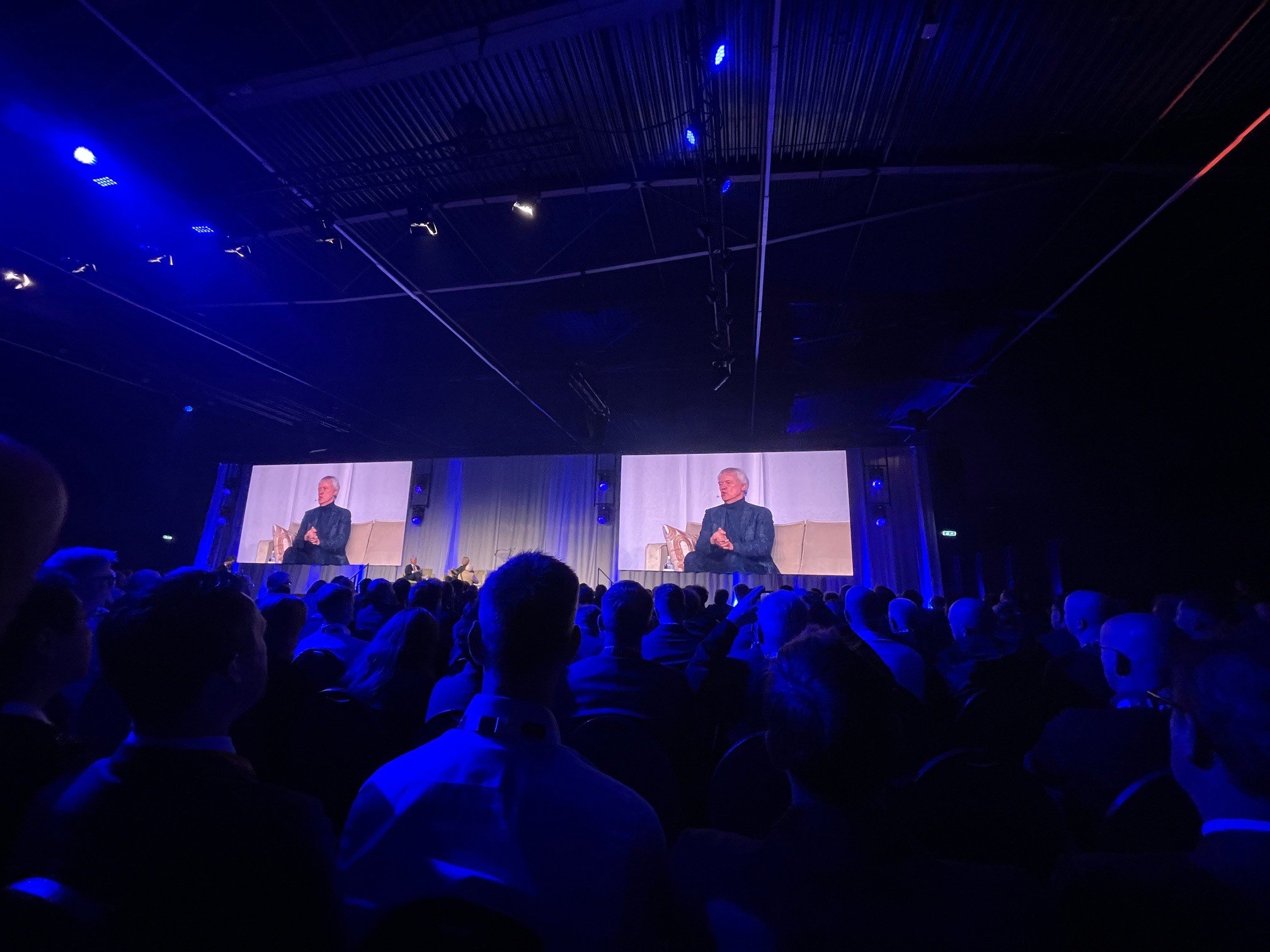
Peter Wennink’s (former CEO of ASML) remarks at NEDS brought the connection between economic strength, security and innovation into focus. His message was clear: economic strength underpins security, and security increasingly depends on innovation. He highlighted the need to prioritise key areas of innovation, make solutions modular and scalable, and sustain innovation on a continuous basis.
That requires common goals across NATO member states defence ministries and, nationally, between industry and government. Wennink also referred to the four Dutch national goals mentioned by Dilan Yeşilgöz (Deputy Prime Minister of the Netherlands and Minister of Defence since 2026). Alongside shared direction, he emphasized the importance of sharing risks and rewards fairly, underpinned by transparency and trust.
Screening can help organisations better understand who they are bringing into sensitive environments. But people, circumstances and relationships change over time.
That means managing insider risk cannot be reduced to a check performed at a single moment. Organisations, especially in critical industries, including defence, need a broader understanding of the human element of security: how people interact with sensitive information, where vulnerabilities may arise, how organisational circumstances can change, and what can be done to identify and address risk before it becomes an incident.
A project may involve employees, contractors, clients, suppliers and strategic partners, all working with different levels of access and different responsibilities. The challenge is therefore not simply to determine whether someone can be trusted. It is to create an environment in which trust, access and security can be managed responsibly throughout the relationship.
When organisations better understand their people, vulnerabilities and risks, they can make more informed decisions about access, partnerships and information sharing. Security then becomes an enabler rather than simply a restriction.
The objective is not to stop knowledge from moving. It is to make sure knowledge can move between the right people, in the right circumstances and with the appropriate safeguards in place.
For organisations operating in sectors where innovation depends on close cooperation, this is particularly important. Protecting intellectual property cannot come at the expense of the partnerships and exchange of knowledge that helped create that intellectual property in the first place.
Our conversations and observations at NEDS reinforced a simple idea: security, IP protection and collaboration are not competing priorities.